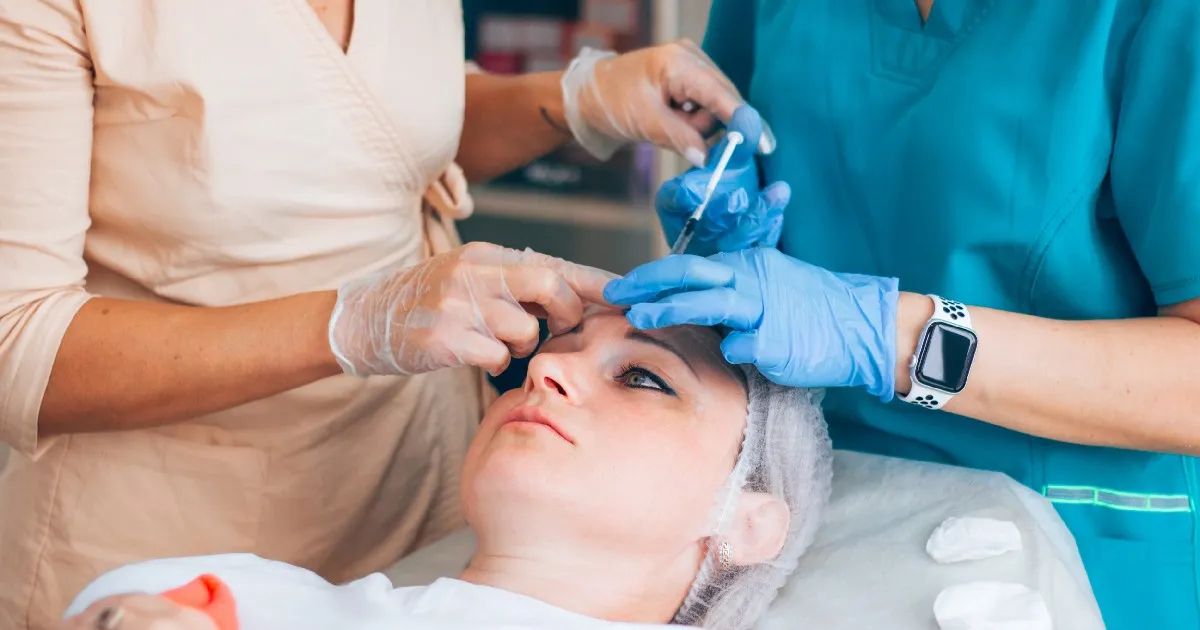
Peptides have become a prominent topic in health, fitness, and skincare because of their ability to influence cellular functions and support the body’s natural processes. Peptides Abu Dhabi are increasingly recognized for their role in these areas. Understanding what peptides are made of and how they work can provide insight into their role in muscle repair, skin health, energy, and overall wellness. While they are often mentioned in the context of performance and rejuvenation, their fundamental nature and mechanisms of action reveal why they are so versatile.
Peptides are composed of amino acids, which are organic compounds that serve as the building blocks of proteins. Unlike proteins, which are long chains of amino acids folded into complex three-dimensional structures, peptides are shorter chains, usually containing between two and fifty amino acids. This relatively simple structure allows peptides to act as messengers that communicate specific instructions to cells.
The sequence of amino acids in a peptide determines its function. Even small changes in this sequence can dramatically alter how a peptide interacts with cells, which is why different peptides have distinct effects on processes like tissue repair, hormone regulation, and cellular signaling.
Amino acids are the fundamental components of peptides. Each amino acid consists of a central carbon atom bonded to an amino group, a carboxyl group, a hydrogen atom, and a variable side chain. The side chain determines the chemical properties of each amino acid and influences how the peptide behaves in biological systems.
When amino acids link together through peptide bonds, they form chains capable of interacting with receptors and enzymes in the body. These interactions allow peptides to trigger specific cellular responses, which can range from promoting tissue repair to enhancing cellular communication.
The amino acids in a peptide are connected by peptide bonds, which are covalent bonds formed between the carboxyl group of one amino acid and the amino group of another. These bonds create a stable backbone for the peptide chain, allowing it to maintain a structure that is recognized by specific receptors in cells.
The unique arrangement of peptide bonds and amino acid sequences gives each peptide its specificity. This structural precision is essential for the peptide to deliver accurate signals to cells, guiding them in tasks such as regeneration, protein production, or metabolic regulation.
Peptides work primarily as signaling molecules. They interact with specific receptors on the surfaces of cells, which triggers internal processes. These signals can prompt cells to produce proteins, repair tissue, release hormones, or enhance metabolic activity.
Because peptides are short chains, they are small enough to reach target cells efficiently and interact with receptors without requiring complex processing. This makes them versatile messengers capable of influencing a wide range of physiological functions.
One of the key roles of peptides is to support tissue repair. When cells experience stress, injury, or fatigue, peptides can signal them to initiate regenerative processes. For example, in muscle tissue, peptides may encourage cells to produce structural proteins that rebuild damaged fibers. In skin, peptides can signal fibroblasts to synthesize collagen and elastin, supporting firmness and elasticity.
This ability to direct cells toward repair and maintenance is one of the reasons peptides are often associated with recovery, rejuvenation, and overall cellular health.
Peptides also play a role in metabolic processes. Certain peptides can influence how cells utilize nutrients, respond to energy demands, or regulate hormone activity. By acting as precise messengers, peptides ensure that cellular processes occur efficiently and in coordination with the body’s needs.
This signaling capability allows peptides to indirectly support energy levels, stamina, and adaptation to stress by optimizing how cells communicate and respond to environmental and internal cues.
Peptides are widely used in skincare because of their ability to signal cells involved in protein production and barrier maintenance. By enhancing collagen and elastin synthesis, peptides improve skin texture and firmness over time. They also support hydration and resilience by guiding cells to strengthen the skin barrier.
Similarly, certain peptides can influence hair follicles by signaling proteins necessary for hair growth and strength, demonstrating the versatility of peptides in maintaining cellular health beyond just muscle and metabolism.
Peptides are naturally present in the body and participate in a wide array of biological functions. Hormone regulation, immune response, and cell-to-cell communication are all areas where peptides act as essential messengers. Their short structure allows them to function efficiently, providing timely instructions that keep biological systems coordinated and responsive.
By enhancing communication between cells, peptides help maintain balance, resilience, and optimal performance across multiple physiological systems.
Peptides can be incorporated into routines through topical applications, supplements, or targeted support for tissue repair and regeneration. In skincare, peptides are often formulated into serums and creams to promote collagen production, firmness, and hydration. In fitness or recovery contexts, peptides help optimize repair processes and support adaptation to physical activity.
Consistent use is key, as peptides work by enhancing natural cellular communication and repair over time rather than producing immediate effects.
Peptides are short chains of amino acids linked by peptide bonds, acting as messengers that guide cellular functions. Their structure and sequence allow them to interact with specific cell receptors, influencing processes such as tissue repair, protein synthesis, metabolic regulation, and barrier maintenance. By supporting efficient communication and targeted signaling, peptides enhance recovery, skin health, energy, and overall cellular resilience. Their versatility and natural role in the body make them an important tool for maintaining long-term wellness and performance.
What are peptides made of?
Peptides are made of short chains of amino acids linked together by peptide bonds.
How do peptides work in the body?
They function as signaling molecules, interacting with cell receptors to trigger processes like repair, protein production, and metabolism.
Are peptides the same as proteins?
No, peptides are shorter chains of amino acids, whereas proteins are longer, more complex structures with specific folding patterns.
Can peptides improve skin and hair?
Yes, certain peptides signal cells to produce structural proteins and strengthen barriers, supporting skin texture, firmness, hydration, and hair growth.
Do peptides support muscle repair?
Yes, peptides can signal muscle cells to produce proteins necessary for rebuilding fibers after activity or stress.
Are peptides naturally present in the body?
Yes, peptides are naturally occurring and participate in numerous biological functions including hormonal signaling and cellular communication.
Do peptides provide immediate results?
Peptides support gradual improvements over time by enhancing natural cellular processes rather than producing instant effects.
Can peptides influence energy and metabolism?
Yes, some peptides regulate nutrient use, hormone activity, and metabolic pathways, indirectly supporting energy and stamina.

