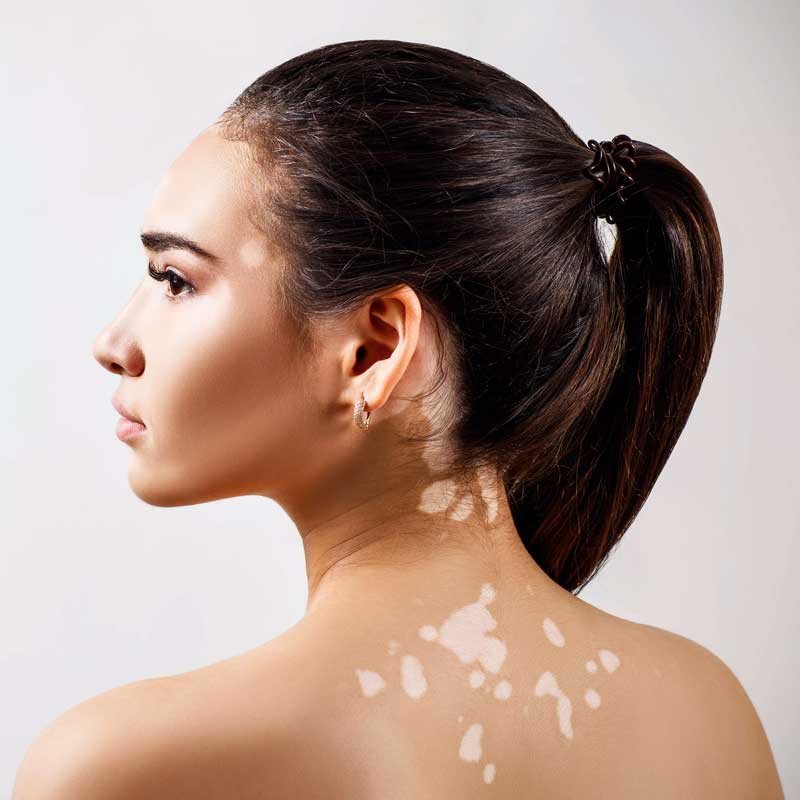
Vitiligo is a chronic skin condition characterized by depigmented white patches caused by the loss of melanocytes, the cells responsible for skin pigmentation. For individuals affected by vitiligo, one of the most pressing questions is how quickly vitiligo treatment in Abu Dhabi can produce visible results. Understanding the timeline for repigmentation and the factors that influence it is essential for setting realistic expectations and maintaining consistency in treatment.
Vitiligo treatment is aimed at halting the progression of depigmentation, restoring pigment to affected areas, and supporting overall skin health. The timeline for visible results varies widely among individuals, depending on the type of therapy, the location and size of depigmented patches, and the activity level of the condition.
In general, visible changes in pigmentation are gradual. Small areas may start showing initial signs of color return within a few weeks, while larger or long-standing patches may require several months of consistent treatment to achieve noticeable improvement. Patience and adherence to treatment plans are critical, as vitiligo progresses slowly and repigmentation is a gradual process.
Several factors determine the speed at which vitiligo treatment produces visible outcomes:
Smaller, early-stage spots tend to respond more quickly to treatment compared to larger, longstanding areas. Areas with higher melanocyte density, such as the face, neck, and trunk, often show repigmentation faster than extremities like hands, feet, or knees.
Different treatments stimulate pigment restoration at varying rates:
Topical Treatments: Immune-modulating creams and corticosteroids applied to localized areas often show the first signs of repigmentation within weeks, although full results may take months.
Phototherapy: Narrowband UVB or other controlled light therapies stimulate melanocytes and can lead to visible changes after several sessions, typically within 6 to 12 weeks, depending on consistency and frequency.
Combination Therapy: Using topical treatments alongside phototherapy can accelerate results, as the therapies complement each other to enhance melanocyte activity.
Individuals with different skin tones may notice visible changes at different rates. In some cases, lighter skin tones may show initial pigment changes sooner, while darker skin tones may have more visible contrast once repigmentation begins.
Vitiligo can be active or stable. Active vitiligo, where new depigmented patches are forming, may require longer treatment to achieve visible results because melanocytes are under continuous immune attack. In contrast, stable vitiligo tends to respond more predictably and may show faster visible improvements.
Age and overall health influence treatment response. Younger individuals with more active melanocyte function may see quicker results, while older individuals or those with slower cellular regeneration may require more time. Nutritional status, immune system balance, and lifestyle factors also play a role in how rapidly pigmentation returns.
While results vary, experts generally outline the following broad timelines for noticeable repigmentation:
Weeks 2–6: Some individuals notice tiny specks of color appearing at the edges of depigmented patches. These initial signs indicate that melanocytes are responding to treatment.
Weeks 6–12: Pigment begins to expand gradually into affected areas. Small patches may show visible improvement, and the difference is often more noticeable to the individual than to others.
Months 3–6: Larger patches or multiple areas may start showing consistent repigmentation. Facial and trunk areas often respond first, while hands, feet, and joints may take longer.
Months 6–12: Significant visible improvement occurs in many cases, especially when treatment is consistent and combined with supportive skin care. Long-term results continue to develop gradually beyond one year.
Consistency and patience are critical because premature discontinuation of therapy can interrupt progress and reduce the effectiveness of treatment.
While the speed of visible results depends largely on treatment type and individual factors, supportive measures can enhance effectiveness and optimize skin health:
Hydration and Skin Care: Keeping the skin moisturized supports cellular regeneration and barrier function, making pigment restoration more efficient.
Sun Protection: Controlled UV exposure can stimulate melanocytes during treatment, but unprotected exposure can cause damage to sensitive areas.
Nutrition: Adequate intake of vitamins, minerals, and antioxidants supports overall skin health and pigment cell function.
Stress Management: Chronic stress can influence immune system activity and impact the rate of repigmentation. Practices that reduce stress help maintain stable skin.
It is important to maintain realistic expectations regarding the timeline for vitiligo treatment results. Visible repigmentation occurs gradually, and small early improvements are significant milestones. Some areas may respond faster than others, and certain patches may require ongoing therapy for optimal results. Understanding that progress may be incremental helps prevent frustration and encourages adherence to treatment plans.
How soon can I expect to see any color return?
Initial specks of pigment may appear within 2–6 weeks for some individuals, especially on small or early-stage spots.
Do all areas of the body respond at the same speed?
No, areas like the face and trunk usually show faster visible results than hands, feet, or joints.
Does the type of therapy affect speed?
Yes, combination therapy often produces faster results than using a single approach, while phototherapy may take several weeks of consistent sessions.
Can lifestyle factors influence results?
Yes, hydration, nutrition, sun protection, and stress management support pigment restoration and overall skin health.
What if I don’t see results quickly?
Slow or delayed response is common. Consistency and adherence to the treatment plan are crucial, and visible changes may take several months to become noticeable.
Vitiligo treatment produces visible results gradually, with the timeline influenced by patch size, location, treatment type, disease activity, skin tone, and overall health. While initial pigment may appear within weeks for some individuals, full repigmentation typically takes months of consistent treatment. Early detection, consistent therapy, and supportive care practices such as skin hydration, sun protection, nutrition, and stress management enhance the speed and quality of visible results.

