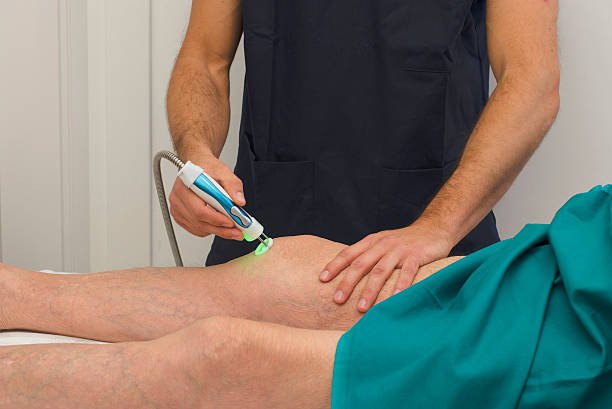
Sclerotherapy is a widely used procedure to treat spider veins and varicose veins. It involves injecting a solution into the affected veins, causing them to collapse and gradually fade as the body absorbs them. While many people see improvement after a single session, it is often necessary to have multiple treatments, especially when dealing with larger or more extensive veins. Understanding how long to wait between Sclerotherapy in Al Ain treatments is crucial for ensuring safety, effectiveness, and optimal results.
The spacing of treatments allows the body to absorb the treated veins, minimizes potential side effects, and ensures that subsequent sessions can target veins effectively. This article provides a comprehensive overview of the factors influencing the interval between sclerotherapy treatments and what patients can expect during the process.
Sclerotherapy is highly effective, but the number of sessions required depends on several factors, including the size of the veins, their location, and the individual’s healing response. Smaller spider veins may respond well to a single treatment, while larger varicose veins or extensive vein networks often require multiple sessions.
Each session addresses only a portion of the affected veins. Treating too many veins at once can increase the risk of swelling, bruising, or other temporary reactions. By spacing out treatments, the body can gradually absorb the collapsed veins, allowing subsequent sessions to focus on untreated areas.
The typical waiting period between sclerotherapy sessions ranges from three to six weeks. This interval provides the body with enough time to absorb the treated veins and allows the treated area to heal. During this period, patients may notice gradual fading of the treated veins, while untreated veins remain visible for the next session.
The exact timing varies depending on factors such as:
Vein size: Larger veins take longer to absorb and may require a longer interval.
Number of veins treated: Extensive treatment areas may benefit from slightly longer recovery between sessions.
Individual healing response: Some individuals absorb veins faster, while others may need additional time before the next session.
Waiting the appropriate amount of time between treatments ensures that each session is both safe and effective.
During the interval between sclerotherapy treatments, it is important to monitor the progress of the treated veins. Patients may notice:
Fading or disappearance of treated veins
Temporary bruising or discoloration
Mild swelling or tenderness along treated veins
Observing these changes helps determine the effectiveness of the previous session and informs the planning of the next session. Progress is gradual, and patients are encouraged to be patient during the healing period.
Several factors affect how long patients should wait between sclerotherapy sessions:
Vein Size and Severity: Larger or more complex veins may require longer intervals to ensure proper absorption and minimize side effects.
Healing and Skin Response: Skin may be temporarily sensitive, bruised, or swollen after treatment. Waiting allows these reactions to subside before the next session.
Number of Veins Treated: Treating extensive vein networks requires spacing to prevent excessive strain on the body and ensure safe absorption.
Patient Lifestyle: Activities that improve circulation, such as walking, can support recovery and influence how quickly veins fade.
Overall Health: Individuals with slower circulation or certain health conditions may need slightly longer intervals for optimal results.
Between sclerotherapy treatments, patients should follow recommended post-treatment care to support healing. This may include:
Compression Garments: Wearing compression stockings helps maintain vein closure, reduces swelling, and supports circulation.
Light Activity: Walking and gentle movement promote circulation and aid absorption of treated veins.
Avoiding Prolonged Standing or Sitting: Remaining in one position for extended periods can slow healing and may increase discomfort.
Monitoring Skin Changes: Keeping track of any bruising, discoloration, or tenderness helps identify normal healing versus unusual reactions.
Following these measures ensures that the body is ready for subsequent treatments and that each session builds on the progress of the previous one.
Knowing when to schedule the next session is important. Patients are generally ready for another sclerotherapy treatment when:
Treated veins have faded or significantly improved
Bruising or swelling from the previous session has resolved
Compression garments are no longer needed full-time
The body has tolerated the previous treatment without complications
Consulting with a healthcare provider or vein specialist can help determine the optimal timing for follow-up sessions based on individual progress.
Scheduling sclerotherapy sessions too close together can increase the likelihood of temporary side effects, including:
Increased bruising or discoloration
Swelling or tenderness
Skin sensitivity
Less effective absorption of treated veins
Allowing sufficient time between treatments ensures each session is both safe and effective while reducing discomfort and complications.
Sclerotherapy often requires a series of treatments for complete results, particularly when addressing large veins or extensive networks. Following the recommended intervals between sessions allows for:
Gradual and safe absorption of treated veins
Proper healing of the skin and surrounding tissue
Effective targeting of untreated veins in subsequent sessions
Patients who adhere to recommended spacing are more likely to achieve lasting cosmetic improvement and improved leg comfort.
In addition to following post-treatment care, maintaining healthy circulation between sessions can support optimal results. Practices that help maintain vein health include:
Regular walking or light exercise
Avoiding prolonged periods of sitting or standing
Maintaining a healthy weight and lifestyle
Elevating the legs when possible to support circulation
These habits not only support recovery but also reduce the likelihood of new vein formation between sessions.
How long is the typical interval between treatments?
Most patients wait three to six weeks between sclerotherapy sessions, depending on vein size, healing, and treatment extent.
Can multiple sessions be done sooner?
Scheduling treatments too close together can increase bruising, swelling, and discomfort. It is generally best to allow the body time to absorb treated veins.
Why are multiple sessions often needed?
Large or extensive vein networks may not respond fully to a single treatment, requiring multiple sessions for optimal results.
What should I do while waiting for the next session?
Follow post-treatment care, wear compression garments if advised, stay active with light walking, and monitor healing progress.
Will veins come back if I wait between sessions?
Treated veins do not return, but new veins may appear over time. Waiting between sessions does not negatively affect results; it ensures safe and effective treatment.
Waiting the appropriate amount of time between sclerotherapy treatments is essential for safe and effective vein care. Most patients benefit from an interval of three to six weeks, allowing the body to absorb treated veins, heal, and prepare for subsequent sessions. Multiple sessions are often necessary to address large or extensive vein networks, and patience during the process ensures optimal results.
By following post-treatment care, maintaining healthy circulation, and monitoring healing, patients can maximize the benefits of sclerotherapy and achieve long-lasting improvement in the appearance and comfort of their legs. Understanding the timing of treatments, along with gradual and careful progression, helps ensure both safety and satisfaction throughout the vein treatment journey.

