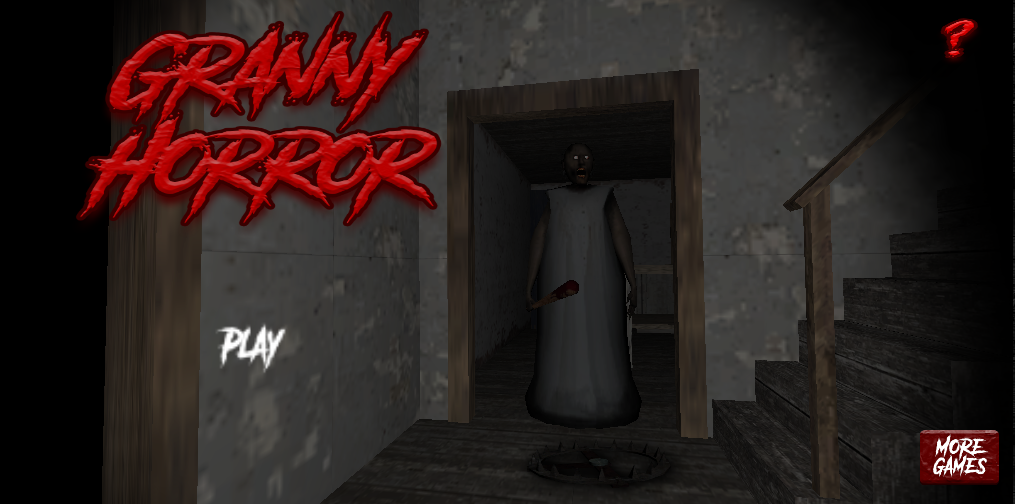
Granny is a popular horror survival game that delivers fear through atmosphere, sound design, and constant pressure. The game places players inside a dark house where escape becomes the main objective. Every action matters because noise attracts danger. The slow pace combined with sudden threats creates intense moments that keep players alert at all times.
The main appeal of Granny comes from simplicity mixed with tension. There are no complicated tutorials or long story introductions. Players learn by doing, failing, and trying again. Each attempt reveals new paths, hidden items, and smarter decisions. This loop encourages persistence and sharp observation rather than fast reflexes alone.
Sound plays a critical role in Granny gameplay. A dropped object or a creaking floor can trigger immediate consequences. Silence often feels more frightening than loud moments because it builds anticipation. Players often pause, listen, and plan each movement carefully.
Visual design supports this atmosphere by using dim lighting and narrow spaces. Shadows hide important objects or dangers. Limited visibility forces players to rely on memory and awareness. This design choice strengthens immersion and makes every room feel risky.
The house itself acts as a silent narrator. Broken furniture, locked doors, and strange tools hint at past events without direct explanation. Players connect clues through exploration rather than text or dialogue. This method keeps focus on gameplay while still creating curiosity.
Each room feels distinct and purposeful. Basements feel cold and unsafe, while upper floors offer limited escape options. Movement between these spaces becomes a strategic decision rather than a simple walk.
Granny uses simple controls but demands careful thinking. Players crouch, walk, hide, and interact with objects. Every mechanic supports stealth and planning. Rushing almost always leads to failure.
The main objective remains clear: escape the house within limited days. However, the path to freedom changes based on decisions and item usage. This flexibility increases replay value and keeps the experience fresh.
Items appear scattered across the house. Keys, tools, and mechanical parts serve specific purposes. Players must remember locations and combine items correctly to progress. Carrying capacity limits force choices about what to keep and what to drop.
Puzzles often involve timing and risk. Opening a safe or unlocking a door creates noise. Players must prepare escape routes before attempting these actions. This balance between progress and safety defines the core challenge.
Failure plays an important role in Granny. Each capture teaches a lesson about noise, movement, or timing. Instead of feeling unfair, these moments feel educational. Players gradually understand patterns and improve decision making.
This design encourages patience. Quick wins remain rare, but steady improvement feels rewarding. Players often develop personal strategies based on experience rather than following fixed solutions.
Granny offers multiple difficulty options that adjust enemy speed, item placement, and environmental hazards. Beginners can explore and learn without extreme pressure. Higher difficulties demand near perfect execution and strong memory.
Replay value increases through randomization. Item locations change between sessions, preventing memorization from guaranteeing success. This randomness keeps tension high even for experienced players.
Easy modes allow focus on exploration and puzzle understanding. Harder modes remove safety nets and increase consequences. This flexibility allows players to choose personal comfort levels while still enjoying the horror experience.
Experienced players often return to test skills under harsher conditions. Each victory feels earned due to strict rules and limited forgiveness.
The community around Granny often creates self imposed challenges. Speedruns, no hiding runs, and limited item runs add new layers of difficulty. These challenges extend the life of the game beyond standard completion.
Watching others play also reveals creative strategies and hidden mechanics. This shared knowledge strengthens engagement and keeps interest alive long after first completion.
Granny creates fear through anticipation rather than constant action. The slow pace allows imagination to amplify tension. Players often feel nervous even when nothing happens because danger always feels close.
The game also tests patience and self control. Waiting quietly in a hiding spot while listening for footsteps creates strong emotional responses. Relief after escaping danger feels genuine and memorable.
Players lack weapons and direct combat options. This vulnerability makes hiding the primary defense. The inability to fight back reinforces fear and realism within the game world.
Limited vision, slow movement, and sound sensitivity create a sense of helplessness. Overcoming these limitations through planning brings satisfaction rather than power fantasy.
Repeated play teaches calm decision making. Panic often leads to mistakes. Successful players learn to pause, listen, and move deliberately. This skill development adds depth beyond simple horror thrills.
The experience feels intense but fair. Every mistake usually has a clear cause, which motivates improvement rather than frustration.
Granny continues to attract players due to accessibility and strong core design. The game runs smoothly on many devices and requires minimal learning time. Anyone can start playing within minutes.
Content updates and variations keep interest alive. New modes, maps, and challenges provide fresh experiences while maintaining familiar mechanics. This balance keeps longtime fans engaged.
The idea of escaping a dangerous house feels familiar, yet execution sets Granny apart. Focus on sound, pacing, and environment creates a unique identity. The game proves that complex graphics are not required for effective horror.
Short sessions also suit modern play habits. Players can attempt escape during brief breaks without losing progress or immersion.
Granny inspired many similar titles that focus on stealth horror. Its success demonstrated that mobile platforms can deliver meaningful fear experiences. Developers often reference its mechanics when designing new projects.
This influence highlights strong design choices rather than marketing alone. Word of mouth and online videos contributed greatly to long term popularity.
Granny offers a memorable horror survival experience built on tension, strategy, and learning through failure. The game challenges players to think carefully, move quietly, and adapt constantly. Fear comes from awareness rather than shock value.

